Tucked into a hushed, forested enclave above the city, Aman Kyoto’s hilltop villas invite you to slow your pulse and elevate your senses. The allure is immediate: cedar-scented air, moss-soft paths, and villas that feel less like rooms and more like private pavilions floating between maples and stone gardens. Here, luxury is measured in quiet—sunlight poured across tatami textures, the hush of sliding shoji, the ritual of tea while clouds lift off the ridge. “Boutique bliss” isn’t a promise of opulence alone; it’s the rare balance of restraint and richness, where every detail—washi paper glow, handcrafted ceramics, a deep soaking tub framed by green—asks you to be present, to listen, to breathe.
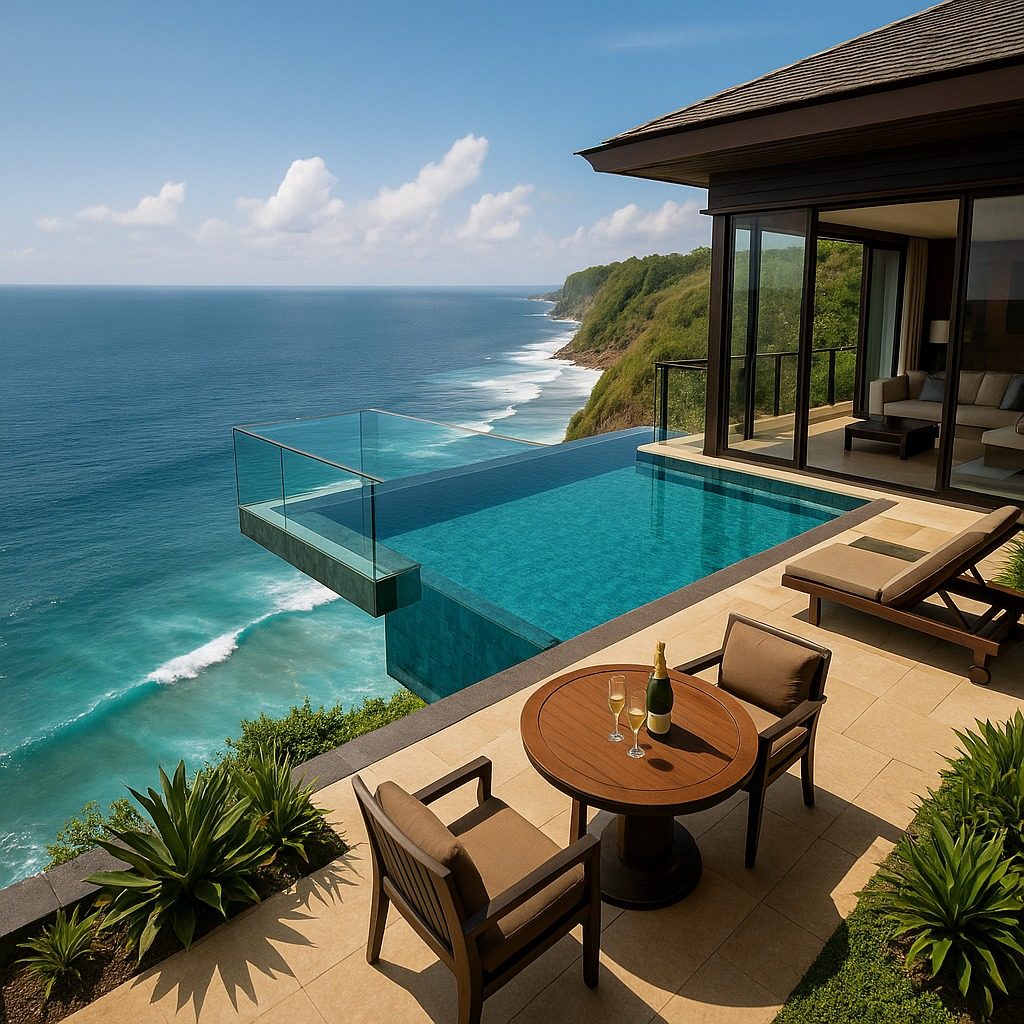
A Secret Forest Above the City
From your hilltop perch, Kyoto feels close yet wonderfully far. Daylight threads through canopy leaves; evening wraps the property in charcoal stillness. Stone lanterns pick out the paths to your door, and the gardens—artfully wild—shift with the season: spring’s blush, summer’s lacquered greens, autumn’s vermillion drama, winter’s quiet ink wash. This elevated setting transforms every arrival into a small pilgrimage back to yourself.
Architecture That Breathes
The villas embody Aman’s signature minimalism with a distinctly Kyoto cadence. Expect clean lines, warm woods, and generous negative space that calms the eye. Floor-to-ceiling glass frames living paintings of moss, maple, and sky. Inside, tactile pleasures abound: linen-soft robes, the grain of cedar beneath the fingertips, and an ofuro-style soaking tub that extends your view into the garden. Nothing shouts; everything whispers, and in that hush, comfort becomes art.
Kaiseki, Seasonality, and the Pleasure of Restraint
Dining here is a masterclass in seasonality. Breakfast is a serene ritual—broths that revive, rice that shines, pickles that pop with brightness. Come evening, a kaiseki progression reveals Kyoto’s quiet theater: mountain herbs, river fish, foraged mushrooms, citrus notes like a bell. It is not maximalist; it is precise, studied, and deeply satisfying, the sort of meal you remember not for one dramatic moment but for the conversation it held with place and time.
Wellness on the Ridge
The spa leans into Japanese wellness philosophies—thermal serenity, garden views, and treatments that move like poetry across the body. Onsen-inspired bathing rituals switch your mind to a slower register; forest-bathing walks draw breath deeper; a warm herbal compress releases the day from your shoulders. Yoga at first light, with ridgeline silhouettes for company, has a way of making clarity feel inevitable.
Moments That Linger
Book a private tea experience and watch steam rise in the cool air as whisk meets matcha. Unroll a calligraphy set and let the brush teach your hand to pause. Wander the pathways at dusk, when lantern light gilds the stones. And on a crisp night, draw the villa curtains back and leave only the garden lit—then soak, silently, as crickets write a score for the trees.
Q&A — Planning Your Stay
Q: What makes these hilltop villas “boutique bliss” rather than simply “luxury”?
A: Scale and intent. The villas feel tailored—quietly personal, never performative. Materials are natural, palettes are restrained, and service is anticipatory but almost invisible. You’re not impressed into awe; you’re eased into belonging.
Q: When is the best time to visit?
A: Spring and autumn are the headline acts (blossoms and maple reds), but winter’s stark beauty and summer’s emerald hush are equally magnetic if you prefer privacy and meditative stillness. Each season edits the gardens differently; there isn’t a wrong choice, only a different mood.
Q: How should I structure a two-day stay?
A: Day 1: arrive by mid-afternoon, tea ritual, twilight soak, kaiseki dinner. Day 2: sunrise yoga, slow breakfast, garden or temple wandering, mid-day treatment, late-day reading on your terrace, chef’s seasonal tasting. If you add a third day, consider a guided cultural workshop (incense, ceramics, or calligraphy).
Q: Which other hotels offer a similar sense of design-led serenity?
A: Consider Amanemu (Shima Peninsula) for coastal onsen calm, Hoshinoya Kyoto for riverside seclusion by boat, Four Seasons Hotel Kyoto for a refined modern-meets-heritage aesthetic, and Park Hyatt Kyoto for intimate vistas across tiled rooftops and lantern-lit lanes.
Q: What should I pack to get the most from the experience?
A: Comfortable walking shoes for garden paths, layers for temperature shifts on the ridge, a slim notebook (for tea notes or quiet reflections), and an open schedule. The greatest luxury here is unscripted time.
Conclusion — An Address for the Quietly Devoted
“Stay in Boutique Bliss at Aman Kyoto Hilltop Villas” is less a getaway than a gentle recalibration. The villas give you Kyoto’s spirit without the city’s hum: design that breathes, cuisine that listens to the seasons, wellness that belongs to the landscape. You’ll leave with shoulders lower, senses tuned, and a new appetite for silence. This is exclusivity without spectacle—privacy, presence, and the rare joy of feeling perfectly placed in the world.